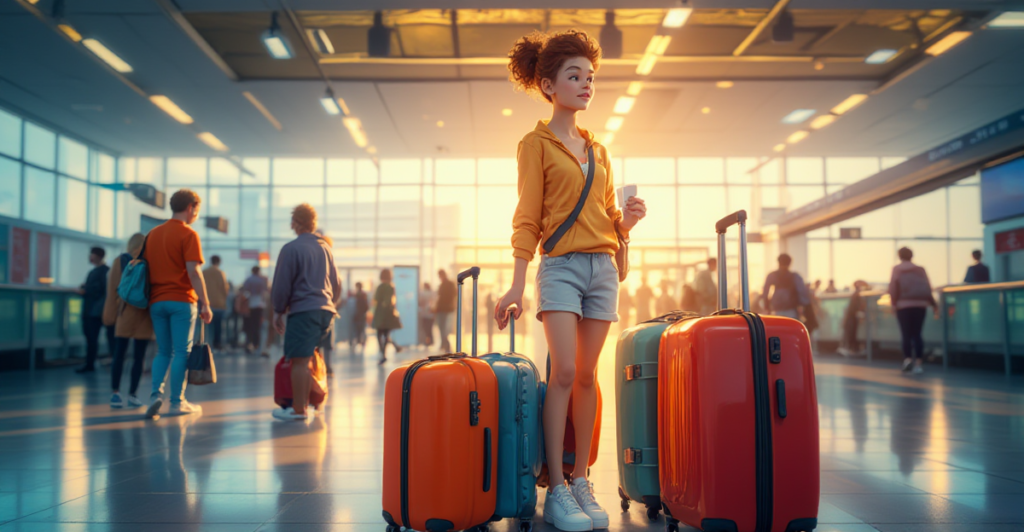
Moving Abroad can be a big adventure that changes your whole life!
I remember the moment I decided to leave my home and explore a new country.
It felt exciting, but also a little scary.
I had to think about what to pack and how to say goodbye to my friends and family.
Moving Abroad isn’t just about getting on a plane; it’s about a new culture, different food, and discovering how people live in another place.
In this blog post, I want to share my real experience moving to a new country, the challenges I faced, and all the amazing things I discovered along the way.
So, if you’ve ever wondered what it’s like to start fresh in a different part of the world, keep reading!
You might find some tips and stories that make you feel ready for your own big journey.
Key Takeaways
- Cultural Adjustment: Moving to a new country means learning about different customs and traditions that may feel strange at first but are important to embrace.
- Language Skills: I found that picking up the local language was key to making friends and enjoying my new life.
- Unexpected Challenges: There were many unexpected obstacles to overcome, from finding housing to dealing with paperwork, but they helped me grow.
- Building Connections: Forming new friendships in my new country took time, but it was essential for creating a supportive network.
- Personal Growth: Living abroad pushed me out of my comfort zone, teaching me resilience and making me more adaptable to change.
1. My Real Experience Moving to a New Country
When I decided on moving abroad, I was both excited and a little scared.
One of the first things I did was research my new country.
I wanted to know about its culture, language, and daily life.
I started watching videos and reading articles to see what to expect.
For example, I learned that people in this new place often greet each other with a handshake and that having meals is a big part of their social life.
I also made sure to prepare important documents like my passport and visa.
This process felt overwhelming at times, but I reached out to friends who had moved before.
They shared tips on how to pack efficiently and find housing.
Little by little, as I got closer to my moving date, my excitement grew.
I could already picture myself exploring my new neighborhood and making friends!
2. Settling into a New Home
After deciding on the country for moving abroad, it was time to find my new home.
I started by researching online for available apartments in the area I wanted to live.
I made a list of important things I needed.
A safe neighborhood, access to public transportation, and nearby grocery stores were essential.
Pictures and reviews helped me narrow down my options.
Once I found a few potential places, I contacted the landlords.
To my surprise, some were willing to do video tours, which made it easier for me to visualize living there.
I also made sure to ask about the utilities and rental agreement details.
Once I secured my apartment, I felt a huge sigh of relief!
Moving abroad truly became more exciting as I unpacked my boxes, transformed my new space, and began exploring my surroundings.
3. Finding Community
One of the biggest challenges I faced while moving abroad was finding a sense of community.
In my new country, everything felt different — from the language to the customs.
I quickly realized that connecting with others would help me adjust.
I decided to join local clubs, which offered classes in activities like dancing and cooking.
These clubs became my go-to places for meeting new friends.
I also volunteered at a nearby animal shelter, which allowed me to not only give back but also meet people who shared my passions.
Joining social media groups focused on expats in my area helped, too, as I could find events and gatherings happening nearby.
Building connections was key, and soon I felt more at home.
Establishing a community not only eased my worries but made the entire experience of moving abroad much more enjoyable.
4. Adjusting to New Culture
One of the biggest challenges I faced while moving abroad was adjusting to the new culture.
Even simple things, like grocery shopping, felt different.
In my new country, people have unique customs that influence their daily lives.
For instance, when I first visited the supermarket, I was surprised to see that most fruits and vegetables are sold loose, not packaged.
This was a big shift from what I was used to back home.
I quickly learned to embrace these differences.
I asked locals for tips on how to navigate the shopping experience.
They advised me to visit local markets, which were more vibrant and had fresher produce.
By learning to respect and enjoy these cultural differences, I felt more connected to my new home.
Moving abroad taught me to appreciate the beautiful diversity in our world, making each day an exciting opportunity for discovery.
5. Visiting the Area Before Moving
Before I actually made the big decision of moving abroad, I visited the new country a few times.
These trips helped me get a feel for the area and understand what life would be like.
During my visits, I explored different neighborhoods and tried local foods, which was an exciting adventure!
I also practiced my language skills and noticed how the people communicated.
This experience gave me a chance to see if the new place felt like it could be my home.
For anyone considering moving abroad, I highly recommend planning a trip to the country first.
It’s an opportunity to find important places like schools, grocery stores, and parks.
Plus, talking to locals can give you tips about living there.
My visits helped me make informed choices when it was time to settle down, making the idea of moving abroad feel less scary and more exciting.
6. Packing Essentials
When I started moving abroad, I learned that packing the right essentials could make a huge difference.
First, I created a list of items I couldn’t live without, like clothing for different seasons and necessities like medications.
I made sure to check the weather in my new country, as it influenced what I packed.
I also included small items that reminded me of home, like photos and souvenirs, which helped ease my transition.
Another practical tip is to research what you can easily buy in your new country versus what you can’t.
For example, electronics might be more expensive abroad, so I packed my laptop and charger.
Packing smartly meant that I could focus more on the new adventure of settling in rather than worrying about missing basic items.
Remember, packing well is an important part of the process when moving abroad!
7. Visa Process
When I decided on moving abroad, I quickly realized that obtaining a visa was a crucial step.
Each country has different rules, so I spent hours researching the specific requirements for my destination.
I learned that applying for a visa often involves filling out forms, providing documents, and sometimes even attending an interview.
For example, I had to show proof of employment and my financial status to ensure that I could support myself.
I also learned about the timeline—some visas can take months to process.
To make the process smoother, I started preparing my application early and kept a checklist.
I even visited the local embassy’s website where I found helpful tips.
Understanding the visa process made my move less stressful and ensured that I was legally ready for the adventure ahead.
8. Overcoming Language Barriers
When I first moved abroad, the biggest challenge I faced was the language barrier.
Even though I had taken some classes, I quickly realized that understanding everyday conversations was much harder than I expected.
To tackle this, I decided to immerse myself in the local culture by speaking the language as much as possible.
I started using language-learning apps and joined local meetups focused on conversation practice.
Reading simple books and watching movies in the new language also helped me pick up new words and phrases.
Even though I made mistakes, the locals appreciated my efforts and often helped me learn.
Slowly, I became more confident, which improved my daily interactions.
Embracing the challenge of the language barrier was essential in my journey of Moving Abroad, making my experience richer and more rewarding.
Conclusion
In conclusion, my journey of moving to a new country has been filled with excitement, challenges, and a lot of valuable lessons.
I learned that adapting to a different culture can be tough, but it’s also a chance to grow and experience new things.
I discovered the importance of stepping out of my comfort zone, making new friends, and keeping an open mind about the unfamiliar.
If you ever find yourself thinking about moving abroad, remember these key takeaways: research your new home, connect with others who have made similar moves, and don’t forget to keep a positive attitude.
Embrace the challenges and celebrate the small victories, because every step counts toward making it feel like home.
So, are you ready to take the leap and explore what the world has to offer?
Reflect on what you hope to gain from this adventure and start planning your own experience today!
What are you most excited about discovering in a new country?
Frequently Asked Questions (FAQs)
What should I consider before moving abroad?
It’s important to think about things like cost of living, language differences, and job opportunities.
Research the country’s culture and climate too.
Understanding the healthcare system is vital, along with any local laws.
Planning your finances and understanding your visa options can save time and stress.
Make sure you’re ready for a new lifestyle, which might be very different from what you know.
How do I find a place to live in a new country?
Start by searching online for rental websites that focus on the specific area you’re moving to.
Local social media groups can also help with recommendations.
Look for short-term rentals if you want to explore neighborhoods before committing to a long lease.
It’s helpful to connect with locals or expats to get advice on safe and affordable areas to live.
How do I handle language barriers?
Before moving, learn some basic phrases in the local language.
Apps and online courses can help with this.
Once you arrive, practice speaking with locals; most people appreciate the effort.
Carry a translation app on your phone for tough conversations.
It may be challenging initially, but with time, you’ll become more comfortable and confident in handling the languages around you.
What documents do I need to move abroad?
You generally need your passport, visa, and possibly a work permit.
Make sure to have your birth certificate, medical records, and any educational documents.
Some countries may require proof of your accommodation or financial stability too.
Keep physical copies and digital scans of all important documents in a secure place so you can easily access them when needed.
How do I make friends in a new country?
Join local clubs, classes, or volunteer opportunities to meet new people with similar interests.
Attend community events or social gatherings to build a network.
Online platforms can also help connect you with other expats and locals.
Be open and friendly; many people are looking to expand their circles just like you.
Over time, friendships will naturally develop.
What should I do about healthcare after moving abroad?
It’s crucial to research the local healthcare system.
Determine if you need to purchase health insurance or if your current plan covers you abroad.
Familiarize yourself with local doctors, hospitals, and emergency numbers.
Make sure to keep your medical records with you, as they can help healthcare providers understand your history and needs in your new country.
📌 Sources & Further Reading
[Source 1:] International Students – Comprehensive guide for students moving abroad, including tips on visas and settling in.
[Source 2:] Expatica – Resource for expatriates, covering practical advice for moving to a new country.
[Source 3:] Transitions Abroad – Articles and resources focused on living and working abroad, including personal experiences and insights.