Watch enthusiasts have eagerly awaited the latest advancements in wearable technology, and the new Smart Watch promises to revolutionize everyday life.
As innovation continues to merge seamlessly with style, this device aims to enhance productivity while integrating health monitoring features that are becoming increasingly vital in today’s fast-paced world.
The Smart Watch not only serves as a timepiece but also as a comprehensive hub for managing tasks, receiving notifications, and tracking fitness.
In exploring this cutting-edge gadget, it’s crucial to assess its practicality for daily use.
From the sleek design to intuitive interfaces, the Smart Watch is engineered for those who seek efficiency without compromising on style.
This blog post will delve into a thorough testing of its features, usability, and overall performance, ensuring readers can make informed decisions about their next wearable technology investment.
Unboxing and Initial Impressions
The packaging of the new smart watch is an embodiment of modern elegance, featuring a compact, sleek box that exudes a premium feel.
Upon lifting the top, a pristine device lies nestled in a foam insert, perfectly preserved and presented.
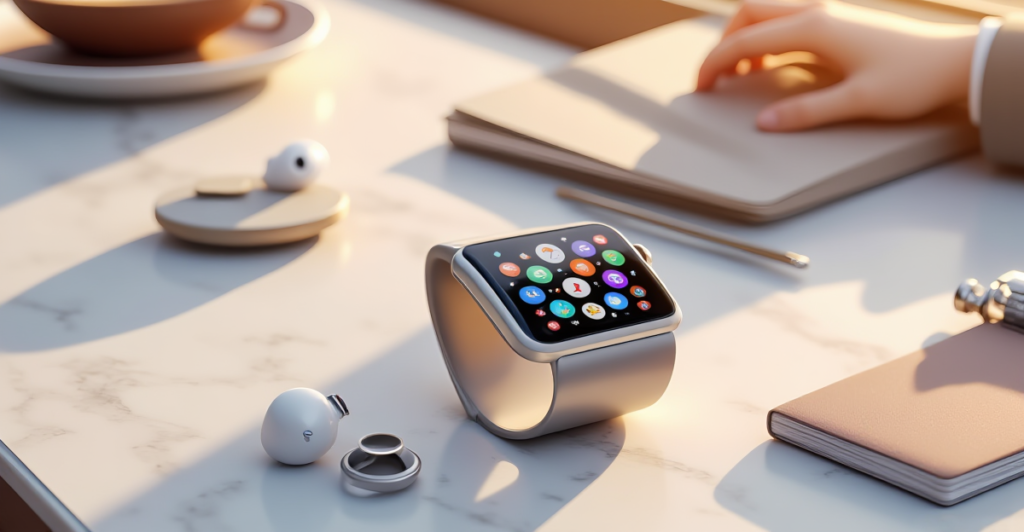
The first glance reveals a glossy screen that seamlessly integrates with the polished metal casing, hinting at sophisticated engineering and attention to detail.
Holding the watch for the first time showcases its remarkable build quality; the lightweight yet sturdy design feels both comfortable and reassuring on the wrist.
As the device powers up, the vibrant display springs to life, radiating clarity and brilliance.
Delving into the user interface, each swipe is smooth and responsive, indicating intuitive usability.
The initial experience inspires confidence in its capabilities for everyday tasks, integrating technology elegantly into daily life.
Overall, the unboxing and first impressions establish this smart watch as a promising companion for those seeking functionality without sacrificing style.
Target Audience
Highlights & Technical Details
| Display | 1.4-inch AMOLED, 454 x 454 pixels |
| Dimensions | 46mm x 46mm x 12mm |
| Weight | 40 grams |
| Battery Life | Up to 10 days on a single charge |
| Water Resistance | 5 ATM (50 meters) |
| Material | Stainless steel case with Gorilla Glass 3 |
| Compatibility | iOS 12.0 or later, Android 6.0 or later |
| Sensors | Heart rate monitor, SpO2 sensor, GPS, accelerometer |
| Connectivity | Bluetooth 5.0, Wi-Fi, NFC |
| Storage | 4GB internal storage |
| Charging | Magnetic charging dock with USB-C |
| Warranty | 2 years limited warranty |
Product Overview: A Glimpse into the New Smart Watch
The release of the new smart watch has generated significant buzz in the tech community, offering enhanced features that cater to everyday users.
This innovative device combines fitness tracking, communication, and lifestyle functionalities in a sleek design, making it an essential accessory for anyone seeking a more connected lifestyle.
Notably, the smart watch is equipped with advanced sensors that monitor heart rate, track workouts, and even provide actionable insights on sleep quality.
When considering the integration of a smart watch into daily routines, users can optimize their experience by customizing settings to suit personal needs.
For instance, syncing the device with popular fitness apps allows for more precise health monitoring.
Additionally, utilizing its notification features ensures that important messages are accessible without having to reach for a phone constantly.
For those exploring options, a smart watch from renowned providers enhances both productivity and health management.
To delve deeper into purchasing decisions, consumers should assess these versatile options and consider how a Watch can seamlessly fit into their life, enhancing productivity while promoting a healthier lifestyle.
Being informed about features and benefits leads to more satisfying and effective use of this groundbreaking technology.
Key Features: What Sets This Smart Watch Apart
This Smart Watch stands out due to its unique blend of functionality and elegance, making it suitable for both daily activities and various lifestyles.
It features a vibrant display that not only enhances readability but also allows for customizable watch faces, catering to diverse tastes.
Additionally, its long-lasting battery life ensures that users can comfortably depend on the device throughout the day without frequent recharging, which is crucial for those who lead active lives and prefer a hassle-free experience.
| Feature | Description | Benefit |
|---|---|---|
| Health Monitoring | Tracks heart rate, sleep, and activity levels | Promotes better health choices |
| Notification Sync | Seamlessly integrates with smartphones | Stays connected without hassle |
| Water Resistance | Rated for up to 50 meters | Safe for swimming and outdoor activities |
Practical applications of these features are evident in everyday use.
The health monitoring aspect can be particularly beneficial for users looking to improve their wellness or manage specific health conditions.
For instance, receiving real-time heart rate updates can prompt users to adjust their workout intensity on the fly, while the notification sync allows one to stay focused on tasks without the distraction of constantly checking a smartphone.
Overall, this Smart Watch’s combination of style and comprehensive features elevates its utility in a modern lifestyle.
Battery Life: How Long Does It Last in Daily Use?
When evaluating how well the new Smart Watch performs in daily scenarios, battery life is a crucial factor.
Typically, this watch promises a battery lifespan of up to two days with regular use.
Users engaging in activities such as fitness tracking, notifications, and music can expect a moderate reduction in battery power, potentially requiring daily charging under heavier use.
To maximize battery life, consider adjusting brightness settings; a dimmer screen can significantly save energy.
Enabling the power-saving mode during less active periods is another effective method.
For instance, when not performing workouts or receiving calls, using this mode can extend daily usage time.
Additionally, reviewing and managing background applications can keep unnecessary drain at bay, assuring that essential functionalities remain available without constant charging.
Practicing these tips, combined with a consistent charging routine, can lead to optimal experiences with the Smart Watch.
Users often find that by prioritizing essential features or disabling others, the balance between functionality and energy conservation is achievable, further enhancing daily utility.
Emphasizing these strategies aids in making the Smart Watch a reliable companion for everyday use, ensuring it keeps pace with an active lifestyle.
Health and Fitness Tracking: A Closer Look at Monitoring Capabilities
The new Smart Watch revolutionizes health and fitness tracking by providing users with real-time insights into their physiological metrics.
This device can monitor heart rate continuously, track sleep patterns, and measure physical activity levels, all of which contribute to a comprehensive understanding of well-being.
For instance, when engaging in exercise, the Watch can record metrics such as heart rate variability and calories burned, allowing users to tailor their workouts for optimal results.
For effective utilization, it is essential to regularly assess the data gathered by the Watch.
Users should review their trends over time to recognize patterns in their health—like identifying when they perform best during workouts or noting any irregularities in sleep quality.
Setting daily fitness goals based on this information can encourage a more active lifestyle.
Additionally, leveraging features such as reminders to stand or hydrate can enhance daily routines.
Coupled with smartphone integration, the Smart Watch not only tracks progress but also motivates users through notifications and challenges.
By actively engaging with these capabilities, individuals can optimize their health journey, turning data into actionable insights that can lead to improved overall fitness.
Connectivity: Evaluating Compatibility with Devices and Apps
A crucial aspect of any smart device, including a modern Watch, is its ability to connect seamlessly with various devices and apps.
Proper connectivity ensures that important notifications, health tracking, and fitness metrics sync correctly, enhancing the overall user experience.
Compatibility generally revolves around popular operating systems such as iOS and Android, which dictate how well the Watch interacts with smartphones, tablets, and computers.
To ensure optimal performance, checking for connectivity options like Bluetooth, Wi-Fi, and NFC is essential.
These features allow users to retrieve notifications and control music playback directly from the Watch.
Additionally, the availability of companion apps can greatly extend functionality.
For example, using an app like Strava with a smart Watch enables users to track sports activities accurately and share data with friends.
When selecting a Watch, it’s also important to verify app support; not all smartwatches offer the same app ecosystem.
Choosing a device that supports popular productivity tools like calendar and email apps can significantly enhance daily life.
Regular updates and monitoring permissions can also prevent connectivity issues, ensuring a smooth link between the Watch and other smart devices, making everyday connectivity more effective than ever.
Display Quality: Assessing Clarity and Usability in Various Environments
When evaluating the new Smart Watch, display quality becomes crucial as it directly impacts user experience.
A watch with a high-resolution display ensures that text and graphics are crisp and easy to read, even in bright outdoor settings.
Various environments can pose different challenges; for example, glare from sunlight can hinder visibility.
Therefore, a watch that features an anti-glare coating or an adaptive brightness setting can significantly enhance usability during outdoor activities.
In low-light conditions, the display should also maintain clarity without causing eye strain.
Options like night mode or AMOLED screens, which allow for deeper contrasts with blacks, can provide a better viewing experience after dark.
Testing a Smart Watch in diverse lighting, such as during a night run or while navigating bright cafes, helps to determine if its display is versatile enough for daily life.
To ensure maximum usability, users should consider practical applications such as changing screen brightness manually or finding a watch face that best utilizes color contrast.
Ultimately, a Smart Watch with an exceptional display adapts to its surroundings and ensures that critical information is always at a glance, aiding in effective time management and activity tracking.
Performance: Speed and Responsiveness During Everyday Tasks
When evaluating the performance of a smart Watch, speed and responsiveness are critical factors for daily tasks.
Users expect their devices to react swiftly to commands, whether it’s checking notifications, tracking fitness activities, or interacting with apps.
A smooth interface and quick loading times enhance user satisfaction and encourage more frequent usage.
For instance, a smartwatch that instantly displays messages upon a flick of the wrist significantly improves the user experience.
To ensure optimal responsiveness, consider pairing the smart watch with a compatible smartphone.
This can facilitate faster data synchronization and allow for seamless notifications to flow from the phone to the watch.
Engaging in regular software updates is also essential, as manufacturers often release enhancements that optimize the device’s performance.
For example, an update may improve how quickly the device opens fitness tracking applications or interacts with voice assistants.
Additionally, be mindful of running too many applications simultaneously, as this can drain system resources and lead to sluggish performance.
Clearing unused apps or features can also improve responsiveness, making the watch feel more agile.
Ultimately, a highly responsive smart watch not only streamlines daily tasks but also elevates the overall user experience, encouraging an active lifestyle.
User Interface: Navigating the Smart Watch Experience
A user-friendly interface is essential for maximizing the functionality of a smartwatch.
The design should prioritize ease of navigation, ensuring that users can quickly access features without overwhelming complexity.
An intuitive layout enables seamless interaction, allowing users to check notifications, track fitness goals, and monitor heart rates effortlessly.
Consider the importance of touch sensitivity on the screen; it should respond quickly to taps and swipes.
Users often find themselves in situations where speed is critical, such as during workouts or meetings.
A responsive interface that allows for quick adjustments, like changing music tracks or adjusting workout settings, enhances the overall experience.
Best practices for engaging with the smartwatch include customizing the home screen to display frequently used applications, thereby reducing the time spent navigating through menus.
Users can take advantage of voice commands for tasks like setting reminders or answering calls, allowing for hands-free operation that is particularly useful during activities.
Incorporating haptic feedback can provide tactile responses, further improving interaction quality.
The combination of visual and physical cues supports a more immersive experience when using the Watch, enabling users to make the most out of their everyday routines.
Real-World Usage: Insights from Daily Wear and Activities
Testing the new smart Watch in everyday scenarios reveals its potential benefits and challenges.
Users engage with various features during routine activities, from tracking fitness metrics while jogging to receiving notifications during meetings.
The convenience of having quick access to text messages and call alerts can significantly enhance productivity and ensure important communications are not missed.
However, real-world usage also highlights certain limitations.
For instance, battery life may vary based on the intensity of feature usage.
Those who employ GPS for outdoor activities may need to recharge more frequently.
Additionally, the watch’s responsiveness in different environments is crucial; wearing it in the rain or during high-intensity workouts can challenge its durability.
To optimize the experience, it is advisable to customize notification settings, enabling only essential alerts to conserve battery while still staying connected.
Regularly reviewing health metrics can encourage users to stay active, making the Watch not just a gadget but a health ally.
Incorporating the watch into daily routines, such as using it to track water intake or monitor sleep quality, can yield noticeable improvements in well-being, demonstrating its holistic value.
Value Assessment: Is It Worth the Investment for Everyday Use?
When considering a new watch, particularly a smart watch, evaluating its value for everyday use is essential.
The initial investment often raises questions about practicality versus features.
A quality watch not only enhances productivity but also provides health insights, making it valuable for the modern user.
For instance, tracking heart rate and activity levels can lead to improved well-being, appealing to fitness enthusiasts and casual users alike.
In terms of functionality, smart watches equip users with features like notifications, calendar reminders, and even GPS tracking.
These aspects streamline daily tasks and enhance communication efficiency.
Imagine being able to check messages without reaching for a smartphone—this convenience often justifies the cost.
Additionally, consider integrating the watch into daily routines.
For example, utilizing sleep monitoring can lead to better rest patterns, ultimately improving overall health.
To evaluate whether this technology aligns with personal needs, think about everyday scenarios.
Does the ability to track workouts or manage schedules effectively save time and energy?
The return on investment is a consideration that varies for every individual.
Therefore, assessing how a smart watch fits into daily life can clarify whether it is worth the financial investment or merely a trend.
Cost Analysis
Advantages and Disadvantages
Advantages
- ✓Sleek design that fits comfortably on various wrist sizes.
- ✓Comprehensive health tracking features including heart rate and sleep monitoring.
- ✓Long battery life lasting up to several days on a single charge.
- ✓Intuitive user interface allowing easy navigation of apps and settings.
- ✓Compatibility with both iOS and Android devices enhances usability.
Drawbacks
- ✗Limited third-party app support may restrict functionality for some users.
- ✗Price point may be higher compared to similar models on the market.
- ✗Durability issues reported with the protective glass on some units.
- ✗Syncing problems can occur, particularly with older smartphone models.
Rating
Options to Explore
Frequently Asked Questions (FAQ)
What features should I look for in a smart watch?
When evaluating a smart watch, consider features like fitness tracking, heart rate monitoring, and battery life.
It’s also essential to check compatibility with your smartphone, notifications functionality, and app availability.
Some models offer built-in GPS and music storage, which can enhance your experience.
Finally, assess the watch’s durability, including water resistance and material, to ensure it meets your lifestyle needs.
How does battery life generally compare among smart watches?
Battery life can vary significantly depending on the make and model of the smart watch.
Most modern devices can last anywhere from a day to over a week on a single charge.
Features like constant heart rate monitoring and GPS usage can drain the battery faster.
For practical use, opt for a watch with efficient performance to avoid frequent recharging throughout your daily routine.
Can I use a smart watch without a smartphone?
Many smart watches offer limited functionality without a smartphone.
Some models allow you to track workouts and monitor health metrics independently, while others require a phone for notifications and app integrations.
If you want full access to features like calls and messaging, ensure your watch can connect directly to Wi-Fi or has cellular capabilities.
Check the specifications before purchasing.
What are the health benefits of using a smart watch?
Smart watches can promote a healthier lifestyle by tracking your physical activity, monitoring heart rate, and setting fitness goals.
They often include reminders to move, which can help reduce sedentary behavior.
Additionally, some models track sleep patterns, give insights into your overall well-being, and encourage regular exercise.
These features can motivate you to adopt healthier habits effectively.
How are updates and software improvements managed?
Smart watches typically receive regular firmware and software updates, which can enhance functionality and security.
To ensure your device is up to date, check for updates through the companion app on your smartphone.
These updates may introduce new features or fix existing bugs, contributing to a smoother experience.
Staying updated is essential for accessing the latest improvements and maintaining device performance.
Are smart watches suitable for all age groups?
Smart watches can be tailored to suit varying age groups, but their usability often depends on the features offered.
Older adults may appreciate simple designs with health monitoring, while younger users might prefer fitness tracking and social media connectivity.
Ultimately, selecting a watch that meets your specific needs and preferences, rather than just its age group appeal, is crucial for effective use.
Ruling
The new smart watch offers commendable features such as robust fitness tracking and seamless app integration, making it a strong contender for everyday use. However, its battery life is less than impressive, raising concerns about longevity during busy days. Additionally, the price point may not justify its current functionality compared to competing models. Users may benefit from waiting for software updates or future iterations to enhance performance further.
📌 Sources & Further Reading
[Source 1:] CNET – Reviews the latest Apple Watch Series 8, highlighting its features and everyday usability.
[Source 2:] The Verge – A comprehensive buying guide for smartwatches in 2023, covering features and user experiences.
[Source 3:] Tom’s Guide – Detailed review of the Samsung Galaxy Watch 5, focusing on performance and daily functionality.