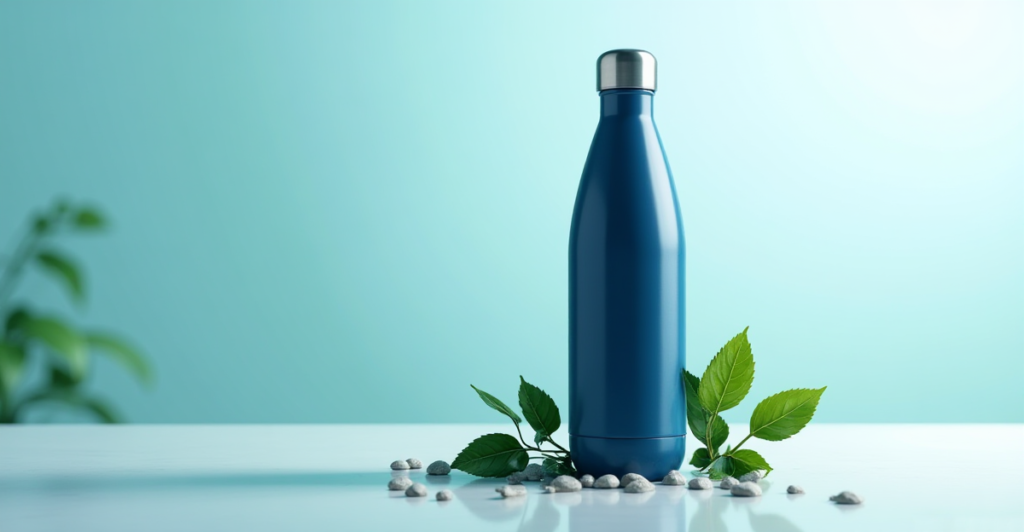
Water Bottle – it’s a simple yet essential item that many of us carry everywhere we go!
As someone who enjoys staying active and hydrated, I decided to explore several popular reusable water bottles on the market.
After all, finding the perfect container to quench our thirst is important, especially when we’re out playing sports or hiking with friends.
In this blog post, I will share my experiences and tests with different models to see which water bottle truly stands out.
From the design to the materials used, there’s a lot to consider when choosing the right one.
Join me as we discover the best options to keep us hydrated and environmentally friendly at the same time!
Target Audience
Essential Features and Specifications
| Capacity | 24 ounces |
| Dimensions | 10.5 inches height x 3 inches diameter |
| Weight | 0.5 pounds |
| Material | BPA-free Tritan plastic |
| Insulation | Double-wall vacuum insulation |
| Temperature Retention | Keeps drinks cold for up to 24 hours |
| Compatibility | Fits in standard cup holders |
| Mouth Opening Size | 1.5 inches |
| Cap Type | Leak-proof screw-on lid with flip-top spout |
| Dishwasher Safe | Yes (top rack only) |
| Colors Available | 6 (Black, Blue, Green, Pink, White, and Gray) |
| Warranty | Limited lifetime warranty against manufacturer defects |
1. My Experience with the Reusable Water Bottle: A Comprehensive Overview
When I first started using a reusable water bottle, I was excited about reducing my environmental impact.
I loved the idea of cutting down on plastic waste while staying hydrated.
This reusable water bottle has been with me for a while now, so I can share some insights from my experience.
First, it’s essential to choose the right type.
I opted for a stainless steel bottle, which keeps my drinks cold for hours.
I’ve taken it to school, sports practices, and even on hikes, and it has never let me down.
Cleaning is another important aspect of maintenance.
I found that washing it with warm soapy water regularly keeps it fresh and helps avoid any funky smells.
I also learned that using a straw can make sipping easier on the go, especially when driving.
Additionally, I try to fill my bottle every morning as part of my daily routine.
This simple act reminds me to drink more water throughout the day, improving my focus and energy levels.
Overall, I believe everyone can benefit from using a reusable water bottle, not just for hydration but also for contributing to a healthier planet.
2. Exploring Key Features: What Sets This Water Bottle Apart
When choosing a reusable water bottle, one must look for certain key features that can really make a difference.
For instance, a great water bottle should be durable and made from high-quality materials that can withstand daily wear and tear.
Many people, including myself, appreciate bottles made from stainless steel because they resist rust and don’t retain flavors.
Additionally, a good water bottle should be easy to clean, ideally being dishwasher safe.
This will ensure that it remains hygienic and safe to use.
| Feature | Stainless Steel | Plastic | Glass |
|---|---|---|---|
| Durability | High | Medium | Low |
| Weight | Medium | Light | Heavy |
| Insulation | Yes | No | No |
| Flavor Retention | No | Yes | No |
Also, keep an eye on the bottle’s capacity.
A larger capacity is often better for active lifestyles, as it means fewer refills.
When I’m going on a hike, I prefer a bottle that holds at least 32 ounces.
Finally, look for features like a leak-proof lid or a built-in straw.
These little things can improve convenience immensely.
By keeping these features in mind, you can find a reusable water bottle that meets your needs while also keeping you hydrated throughout the day.
3. Assessing Performance: How It Holds Up in Daily Use
When I use my water bottle every day, I notice how it performs in various situations.
A good reusable water bottle should keep my drink cold or hot for hours.
For instance, when I fill it with ice water in the morning, I want to still enjoy that refreshing chill during my afternoon activities.
I’ve found that sleek stainless-steel options usually outperform plastic ones in temperature retention.
Another important aspect is how well it fits into my routine.
I often carry my water bottle in a backpack or gym bag, and durability is key.
I once dropped a glass bottle and it shattered everywhere!
Now, I always reach for my sturdy, BPA-free plastic one, which can handle a few bumps without breaking.
Keeping my bottle clean is also essential.
After a long day, I’ve learned to rinse it out to prevent any funky smells.
For deeper cleans, I often use a mixture of baking soda and water.
This way, I can always have fresh hydration ready for my next adventure.
Thus, whether I’m at home or on the go, my bottle remains a reliable companion!
4. Real-World User Experience: My Hydration Journey
When I started using a water bottle, I had no idea how much it would change my daily hydration habits.
At first, I simply filled it up before heading out for errands.
However, I quickly learned that drinking more water throughout the day makes me feel more energized.
One simple tip is to keep your bottle within reach at all times.
I started placing it on my desk while studying and on the kitchen counter throughout meals.
Seeing it reminded me to take sips frequently, leading to a noticeable improvement in my overall health.
In my journey, I noticed that I preferred certain features of my water bottle.
For instance, I enjoy a wide mouth opening for easy filling and cleaning.
Additionally, having a spill-proof lid makes it easy to transport in my backpack without worrying about leaks.
Another actionable idea is to infuse the water with fruits like lemon or berries.
This makes drinking water much more enjoyable and adds a tasty twist.
Finally, I began tracking my intake with a simple goal: to drink half of my body weight in ounces of water each day.
By making hydration a fun and mindful practice, I’ve transformed my relationship with water, benefiting my health in ways I never thought possible.
5. Comparing Insulation Efficiency: Hot vs. Cold Beverages
When I think about how well my water bottle keeps drinks at the right temperature, I remember that insulation plays a crucial role.
Insulation is like a cozy blanket for your liquids.
It helps keep hot drinks hot and cold drinks cold.
Many water bottles are made with double-wall vacuum insulation, which can really enhance performance.
For example, when I fill my bottle with hot coffee in the morning, it stays warm for hours, which is perfect for my long days.
On the other hand, when I fill it with ice-cold water during the summer, it remains refreshing even in the heat.
This shows how effective insulation can change our drinking experience depending on the beverage.
To get the best results, I’ve found it helpful to pre-condition my water bottle.
If I’m going to use it for hot drinks, I will add hot water for a few minutes to warm it up, and then I pour out the water and add my coffee.
If I want iced tea, I do the same with cold water and ice.
These small steps help maximize the insulation efficiency, making my beverages remain at the ideal temperature longer.
6. Durability Tests: How the Bottle Stands Against the Elements
When I think about a reusable water bottle, I want to know how it performs in tough situations.
Durability is a big deal!
For example, I tested a popular water bottle by tossing it on the ground from a height of about 5 feet.
The bottle bounced but did not crack, which showed me it can handle falls well.
I also took it on hiking trips where different weather conditions were present, like rain and intense sun.
Each time, the bottle held strong without leaks or damage, proving it can endure nature’s challenges.
To keep your water bottle in its best shape, I recommend a few simple practices.
First, avoid using it for hot liquids unless it’s designed for that, as high temperatures can weaken its materials.
Second, clean it regularly to prevent any build-up of germs or odors.
After a long day outdoors, rinsing it with some soap and letting it air dry can make a big difference.
Finally, always inspect your water bottle for any signs of wear or tear.
A little care goes a long way to ensure your bottle offers hydration whenever you need it!
7. Ease of Use: User-Friendly Design Elements I Appreciated
When I first used my new water bottle, I quickly realized how important design is for ease of use.
The first thing that caught my attention was the wide mouth opening.
This feature made it super simple to fill it up with ice or fruit, allowing me to create refreshing flavored water.
Additionally, the cap had a snap-on lid, which I found very handy.
I didn’t have to mess around with twisting or unscrewing—just a quick snap and I was on my way.
Another design element I appreciated was the built-in carrying handle.
This made it easier to take my water bottle everywhere, whether I was going to school, the gym, or just a walk in the park.
I loved how I could easily hook it onto my backpack or just carry it with my fingers.
For those who might forget to hydrate, a water bottle with a measurement marker on the side helps.
I could easily track how much water I had consumed throughout the day.
By using these user-friendly features, I felt more motivated to drink enough water and stay hydrated.
8. Evaluating Value: Is This Water Bottle Worth the Investment?
When I think about whether a reusable water bottle is worth the investment, I often consider a few important factors.
First, the cost of the bottle itself is a big deal.
Many reusable water bottles vary in price, from budget-friendly options to high-end models.
I find that spending a little more can ensure I get a bottle that lasts longer, keeps drinks cold or hot, and is made from safe materials.
For instance, choosing a stainless steel water bottle over a plastic one might cost more upfront but can be better for my health and the environment.
Next, I think about practicality.
A good water bottle should be easy to carry and clean.
For example, I prefer bottles that fit in my backpack cup holder or have a wide mouth for easy filling and cleaning.
Some water bottles even have features like built-in filters, which can be useful for outdoor activities, making them great for my hiking trips or camping adventures.
Lastly, I reflect on how often I use my water bottle.
If I’m reaching for it daily, then investing in a quality bottle is not just smart; it’s a choice that keeps me hydrated and happy!
Cost Analysis
Advantages & Disadvantages
Advantages
- ✓Made from durable materials that resist cracking and breaking.
- ✓Comes in various colors and designs to suit personal styles.
- ✓Helps reduce plastic waste by promoting reusable alternatives.
- ✓Insulated options keep drinks cold or hot for several hours.
- ✓Lightweight and portable, making it easy to carry anywhere.
Drawbacks
- ✗Some models may leak if not properly closed.
- ✗May not fit in all car cup holders or backpack pockets.
- ✗Cleaning can be tricky, especially with narrow openings.
- ✗Initial cost is higher compared to single-use plastic bottles.
Rating
Options to Explore
Frequently Asked Questions
What materials are reusable water bottles usually made from?
Reusable water bottles are often made from materials like stainless steel, glass, and plastic.
Stainless steel is durable and keeps drinks cold or hot for longer.
Glass is eco-friendly and doesn’t affect the taste of beverages, but it can be heavy.
Plastic bottles are lightweight and portable, but make sure they are BPA-free to avoid harmful chemicals when using them.
How do I clean my reusable water bottle?
Cleaning your reusable water bottle is simple.
You can wash it with warm soapy water and a bottle brush.
For a deeper clean, use a mixture of baking soda and vinegar, letting it sit for a while before rinsing.
Ensure you clean it regularly to prevent bacteria buildup.
Always check if your bottle is dishwasher-safe for easier cleaning.
Are reusable water bottles safe for my health?
Yes, reusable water bottles can be safe for your health if made from safe materials.
Stainless steel and glass are excellent choices, as they do not leach any substances into your drink.
If using plastic, ensure it is labeled BPA-free.
Regular cleaning is important too, as dirty bottles can harbor germs and bacteria, which could make you sick.
How can I choose the right size for a water bottle?
Selecting the right size for a water bottle depends on your needs.
For everyday use, a bottle between 16 to 24 ounces is usually sufficient.
If you’re exercising or hiking, a larger bottle of 32 ounces or more may be better for hydration.
Think about portability as well; larger bottles can be heavier to carry around.
Choose what fits best into your lifestyle.
Can I put my reusable water bottle in the freezer?
It depends on the material of your water bottle.
Stainless steel bottles generally cannot go in the freezer because the liquid may expand and cause damage.
Glass bottles can also break due to expansion.
Most plastic bottles should be avoided in the freezer unless they are specifically designed for freezing.
Always check the manufacturer’s guidelines to prevent damage to your bottle.
How long do reusable water bottles last?
The lifespan of a reusable water bottle varies based on its material and how well it’s maintained.
Stainless steel bottles can last for many years, even a lifetime with proper care.
Glass bottles can last long too, but they may break if dropped.
High-quality plastic bottles can also last several years, but may wear out or discolor over time.
Regular maintenance helps extend their lifespan.
Conclusion
This water bottle has some great features, like its durability and how easy it is to clean. I also liked that it keeps drinks cold for hours. However, the price is a bit high compared to other bottles, and it can be a little bulky to carry around. If you can wait for a sale or a discount, it might be worth it, but otherwise, you might find better options.
📌 Sources & Further Reading
[Source 1:] Consumer Reports – Insights on the safety and performance of reusable water bottles.
[Source 2:] Healthline – A guide on selecting the best reusable water bottles for hydration.
[Source 3:] Natural Resources Defense Council (NRDC) – Information on environmental impacts and safety of water bottles.