Wireless technology has revolutionized the way devices connect and communicate, making everyday tasks more convenient than ever.
Among these innovations, Wireless chargers stand out as a practical solution for those seeking to eliminate tangled cords and embrace a cleaner workspace.
With a growing emphasis on functionality and design, affordable wireless charging options have emerged, catering to diverse consumer needs without compromising quality.
In this detailed look at the affordable Wireless charger, essential features such as efficiency, speed, and compatibility will be explored.
Readers will gain insights into how these chargers work, their benefits, and what to consider when selecting the ideal model.
As more devices integrate wireless capabilities, understanding this technology becomes increasingly important, ensuring that everyone can enjoy the full advantages of a cable-free lifestyle.
Unboxing and Initial Thoughts
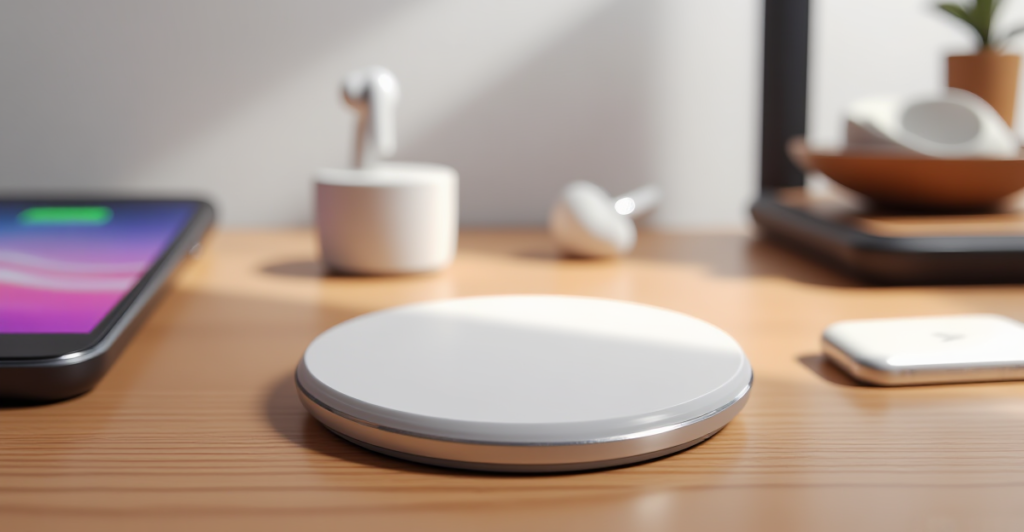
The packaging of the ‘Wireless’ charger presents a sleek aesthetic that immediately conveys a sense of modernity.
Upon lifting the lid of the box, the charger itself is prominently displayed, secured within soft foam to prevent any damage during transport.
The first impression—an elegant, minimalist design—reflects its affordable yet premium appeal.
Constructed from high-quality materials, the texture feels smooth and sturdy, suggesting durability for daily use.
Initial interactions reveal a satisfying heft to the charger, which is reassuring and adds to its build quality.
The subtle LED indicator nice touches, illuminating softly when in use without being distracting.
A brief moment spent charging a device confirms its efficiency; it achieves a surprisingly quick charge, defying expectations for its price point.
Overall, the unboxing experience establishes a positive foundation, illustrating that this wireless charger not only looks good but performs impressively right out of the box.
Target Audience
Essential Features & Specifications
Product Overview: Understanding the Affordable Wireless Charger
The affordable wireless charger has transformed how devices are powered, providing a convenient option without the clutter of cords.
These chargers utilize electromagnetic fields to transfer energy between a charger and a device, making the process seamless.
Users simply need to place their compatible devices on the charging pad, and the charging begins automatically.
For instance, placing a smartphone on one of these chargers can often initiate power transfer in seconds, facilitating a smoother user experience.
To optimize the use of an affordable wireless charger, it’s vital to ensure that the alignments are precise.
Devices should ideally be centered on the charging surface for maximum efficiency.
Even though these chargers are widely compatible, understanding the specifications of a particular device remains critical.
Not all devices support fast charging, so checking the user manual can prevent misunderstandings regarding charging speeds.
Additionally, incorporating a dedicated Wireless charging station can significantly enhance the organization and aesthetics of a workspace.
By having a central location for charging multiple devices, productivity is improved, and cord clutter is minimized.
Regular maintenance, such as cleaning the charging pad, can also ensure longevity and effective performance.
Key Features That Set This Wireless Charger Apart
The standout features of this affordable Wireless charger make it an appealing choice for users seeking convenience and efficiency.
One major aspect is its advanced compatibility with various devices, including smartphones, smartwatches, and wireless earbuds.
This charger supports multiple standards, such as Qi and PMA, ensuring it works seamlessly with most devices on the market.
Additionally, its sleek design not only looks modern but also helps conserve space, making it ideal for home or office use.
| Feature | Value | Comparison |
|---|---|---|
| Charging Speed | Up to 15W | Faster than standard 5W chargers |
| Design | Slim and lightweight | Easier to carry than bulkier models |
| Compatibility | Qi, PMA | Works with a wide range of devices |
| Safety Features | Overheating protection | Safer than chargers without protection |
Moreover, the charger boasts built-in safety features that protect devices from overheating and overcharging.
This ensures longevity in battery life, which is a critical consideration for users.
For optimal usage, positioning the device correctly on the charging pad can enhance performance, often resulting in increased efficiency.
For instance, placing a smartphone in the center of the pad ensures the correct alignment of coils, maximizing power transfer.
Such practical insights empower users to get the most out of their Wireless charging experience.
Performance Analysis: Speed and Efficiency in Charging
When evaluating a Wireless charger, speed and efficiency are pivotal metrics that directly impact user experience.
Wireless chargers typically offer varying wattage capabilities, usually ranging from 5W to 15W.
For example, a charger operating at 10W can significantly reduce charging time for compatible devices, making it ideal for users who seek quick replenishments while on the go.
Additionally, the charging speed can be influenced by the device’s compatibility; newer smartphones often feature fast charging protocols that allow for optimal performance.
To enhance the efficiency of a wireless charger, several best practices can be implemented.
First, ensuring that the charging pad is free from foreign objects can prevent interference and maintain a stable connection.
For instance, placing a phone with a slim case or removing bulky ones can provide a direct line for power transfer, accelerating the charging process.
Furthermore, using a charger with intelligent temperature management features is crucial.
It regulates heat levels, safeguarding both the charger and the device while maintaining the optimal energy output.
Overall, when selecting a wireless charger, understanding the intricacies of speed and efficiency is essential for maximizing the benefits of this technology for everyday use.
Real-World Usage Scenarios: Daily Life with the Wireless Charger
In today’s fast-paced environment, a wireless charger has become an essential gadget for many individuals.
Consider a typical day: waking up and placing a smartphone on the bedside table while brushing teeth or preparing breakfast.
This simple act allows the phone to charge continuously without the hassle of cords.
The convenience of grabbing the device without needing to plug it in is a significant advantage.
During a daily commute, a wireless charger can also be beneficial.
Placing a phone on a charging pad in a car allows for easy charging while navigating.
This integration supports seamless usage, enabling navigation applications and hands-free calls without worrying about battery life.
Moreover, at the workplace, a wireless charger eliminates clutter associated with cables and connectors, allowing for a cleaner desk.
To maximize efficiency, positioning the wireless charger in your most frequently used spaces helps ensure devices are charged whenever not in use.
For instance, a wireless charger at the office or a second one near the living room can allow for quick charging while working or relaxing.
By integrating these devices into everyday life, the experience evolves into one of enhanced convenience and accessibility, perfectly aligning with modern lifestyle needs.
Build Quality and Design: A Closer Look at Durability and Aesthetics
When evaluating an affordable wireless charger, examining both durability and aesthetics is essential.
The build quality typically reflects the materials used, such as tempered glass and high-grade plastic.
A charger designed with premium materials not only enhances its lifespan but also contributes to its visual appeal.
For instance, a sleek, minimalist design can effectively blend into modern home decor, making it both functional and visually pleasing.
To ensure durability, consider chargers with features like anti-slip surfaces and heat dissipation technologies.
These characteristics help protect devices from overheating and slipping, ensuring both safety and convenience.
Brands that prioritize these aspects often offer warranties, reflecting their confidence in product longevity.
For example, a charger crafted from aluminum may withstand daily use better than a purely plastic variant.
When selecting a wireless charger, take into account the size and weight.
A compact design is advantageous for portability, allowing easy transport between home, office, or travel.
Moreover, opting for a wireless charger with LED indicators can provide useful feedback, signaling that it’s charging effectively.
Buyers should strive for a balance between functionality and style, ensuring that their choice complements their personal preferences while meeting practical needs.
Compatibility Insights: Which Devices Work Best with This Charger
When selecting an affordable wireless charger, understanding device compatibility is crucial for optimal performance.
Most modern smartphones, including popular models from Apple and Samsung, support the wireless charging standard known as Qi.
This means devices such as the iPhone 8 and later, as well as Galaxy S6 and newer, can be charged effortlessly using a wireless charger.
Additionally, many accessories such as smartwatches and earbuds are also designed to take advantage of this technology, further enhancing usability.
For users considering switching from a conventional charger, it’s essential to assess whether the device supports wireless charging.
Checking the manufacturer’s specifications or product details can clarify this.
Utilizing a wireless charger can significantly streamline daily routines, as it eliminates the fuss of dealing with cords.
It’s advisable to place the device correctly on the charging pad; slight misalignments can hinder the charging process.
Moreover, using a wireless charger that aligns with the recommended wattage for the specific device can ensure efficiency.
Devices built for faster charging may benefit from chargers that offer higher power levels, such as 10W or 15W, to minimize wait times.
Thus, ensuring the right device and charger pairing can lead to a seamless charging experience.
User Experience: Setting Up and Using the Wireless Charger
The setup of an affordable wireless charger typically involves a straightforward process.
First, ensure the charger is on a stable, flat surface for optimal performance.
Simply plug it into a power source using the provided cable, and the charger is ready for use.
Once the device is placed on the charger, a light indicator will typically signal that charging has begun.
This wireless technology is not only convenient but also eliminates the hassle of tangled wires and multiple USB cables.
To enhance the user experience, it is crucial to place the device correctly on the charging pad.
Misalignment can cause slow charging or prevent the device from charging altogether.
For example, ensuring that the center of the device aligns with the marked area on the charger can substantially improve efficiency.
Additionally, using a phone case that is less than 5mm thick is recommended to avoid interference with the charging process.
Best practices also include regularly cleaning the charging area, as dust and grime can affect connectivity.
By following these simple tips, users can enjoy a seamless experience with their wireless charger, reaffirming the advantages of going wireless in today’s tech landscape.
Heat Management: Analyzing Temperature Control During Charging
When using a wireless charger, managing heat production is critical to ensuring the efficiency and lifespan of both the charger and the device.
Wireless charging operates through electromagnetic fields, which can generate excess heat due to energy loss during transmission.
This heat, if not properly managed, can lead to overheating, resulting in slower charging speeds and potential damage to the battery over time.
To maintain optimal temperature control, users should ensure that the surface of the charging pad is clean and free of foreign objects that could trap heat.
Additionally, selecting a charger with built-in thermal management features, such as fans or heat sinks, can significantly reduce temperature spikes.
For instance, a wireless charger designed with ventilation slots will allow cooler air to circulate, thus dissipating heat more effectively.
Another essential practice is to avoid charging devices in direct sunlight or hot environments.
Monitoring the device’s temperature during charging can also provide valuable insights; if it becomes uncomfortably warm, it’s advisable to take a break from charging.
By implementing these best practices and being mindful of environmental factors, users can achieve more efficient charging and enhance the longevity of their devices while using wireless technology.
Charging Multiple Devices: Efficiency and Limitations
Modern wireless chargers have transformed the way devices are powered, allowing users to charge multiple gadgets simultaneously.
While this feature promises convenience, it can also lead to efficiency challenges.
Many multi-device chargers utilize a shared power output, meaning that when charging multiple devices, the available wattage is divided among them.
As a result, this can lead to slower charging speeds, especially for power-hungry devices like tablets or high-capacity smartphones.
To enhance charging efficiency, it’s best to prioritize devices based on their power requirements.
For instance, placing a smartphone alongside a less demanding device, such as a pair of wireless earbuds, can optimize the power distribution.
Many chargers are designed to detect the connected devices and adjust the output accordingly, but it is essential to use a charger that specifically supports multiple-device functionality.
Additionally, incorporating chargers with higher output ratings can combat limitations.
For example, a charger rated at 15W might distribute the power more effectively compared to a standard 5W charger.
Overall, understanding these dynamics can make a significant difference when aiming for a seamless wireless charging experience in bustling, tech-friendly households.
Value for Money: Comparing Performance with Cost in the Market
When assessing the value of an affordable wireless charger, it is crucial to compare its performance against its cost to determine if it meets expectations.
Many consumers often find that cheaper models may compromise on charging speed or design.
For example, an entry-level wireless charger might offer a basic design but could limit charging speeds to 5W, which is significantly slower than premium models that range from 10W to 15W.
However, plenty of affordable options deliver satisfactory performance without breaking the bank.
By examining factors like materials, heat dissipation, and safety features, one can discover models that enhance longevity while still providing reliable charging.
For instance, a mid-range charger priced around $25 could provide a good balance of aesthetics and functionality, ensuring devices charge efficiently.
Practical applications include strategically using a wireless charger at a workspace, where ease of access can enhance productivity.
It is recommended to consider brand reputation and user reviews for genuine insights into performance, helping steer clear of potential pitfalls in lower-cost options.
Understanding these dynamics will enable a clearer evaluation of whether a particular wireless charger offers impressive value in today’s market.
Cost Analysis
Advantages & Disadvantages
Advantages
- ✓Affordable price compared to many other wireless chargers on the market.
- ✓Sleek design that complements various home and office spaces.
- ✓Compatible with a wide range of devices, including smartphones and earbuds.
- ✓Fast charging capabilities for supported devices enhance user experience.
- ✓Lightweight and portable, making it easy to transport for travel use.
Drawbacks
- ✗Limited charging speed for devices not optimized for fast charging.
- ✗May generate heat during use, potentially affecting charging efficiency.
- ✗Non-slip surface could be improved to hold devices more securely.
- ✗Short charging cable might necessitate an extension for some setups.
Review Score
Options to Explore
Frequently Asked Questions (FAQs)
How does a wireless charger work?
A wireless charger uses electromagnetic fields to transfer energy between the charger and the device.
When you place your device on the charger, an induction coil inside both components creates an electromagnetic field.
This field then generates a small current in your device’s coil, charging the battery.
Most wireless chargers are based on the Qi standard, which ensures compatibility across various brands and devices.
What devices are compatible with wireless chargers?
Wireless chargers are compatible with a variety of devices, primarily smartphones.
Most modern smartphones from brands like Apple and Samsung support the Qi standard for wireless charging.
Additionally, some smartwatches, earbuds, and other gadgets also utilize this technology.
Always verify the manufacturer’s specifications to ensure your device is compatible with a specific wireless charger model.
Is wireless charging slower than wired charging?
Generally, wireless charging is slower than traditional wired charging due to energy loss during the process.
The efficiency reduction often leads to longer charging times, with most wireless chargers providing a maximum output between 5 to 15 watts.
While newer models have improved speed, for rapid recharging, a wired connection might still be the best option when time is a priority.
Do wireless chargers generate heat?
Yes, wireless chargers can generate heat during operation.
The energy transfer process creates friction, leading to heat production.
Most modern chargers are designed with safety features, including cut-off mechanisms to prevent overheating.
However, it is advisable not to cover the charger while in use, as it can inhibit heat dissipation and potentially impact the charger’s performance and longevity.
Can I use a wireless charger with a phone case?
In most cases, you can use a wireless charger with a phone case, provided the case is compatible.
Thin cases typically allow for efficient energy transfer, while thicker or metal cases may interfere with the charging process.
It’s advisable to check your charger’s specifications regarding case compatibility and to experiment with your specific case to determine the best results.
Are affordable wireless chargers reliable?
Affordable wireless chargers can be reliable, but quality varies across brands and models.
When shopping for a budget-friendly option, look for devices that meet safety standards and have positive user reviews.
Investing in a well-reviewed charger can ensure longevity and efficient charging.
Always consider warranties and customer support offered by manufacturers as well; they can be reliable indicators of quality.
Conclusion
The ‘Wireless’ charger is an affordable option with decent features and performance, making it an attractive choice for budget-conscious consumers. However, it lacks some of the advanced functionalities found in higher-end models, such as fast charging and robust build quality. The device works adequately but might not meet the needs of users looking for long-term reliability and efficiency.
📌 Sources & Further Reading
[Source 1:] TechRadar – Comprehensive reviews of various wireless chargers.
[Source 2:] Digital Trends – roundup of the best affordable wireless chargers available.
[Source 3:] CNET – In-depth analysis of the leading wireless chargers on the market.